
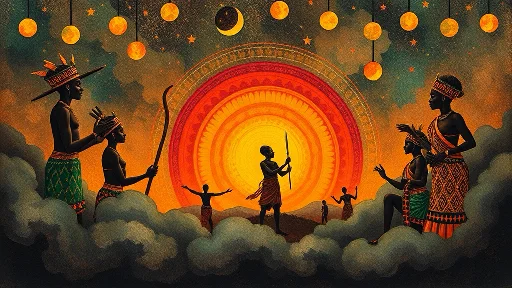
African dream interpretation represents a vast and profound tradition, deeply interwoven with the continent's diverse spiritual beliefs, cultural practices, and communal life. Unlike many Western approaches that focus on the individual psyche, African perspectives often view dreams as collective messages, bridging the visible world with the unseen realms of spirits, ancestors, and the divine. This holistic understanding positions dreams as vital tools for guidance, healing, and maintaining societal harmony.
At its core, African dream interpretation is rooted in the belief that dreams are not random neurological events but purposeful communications. These messages can come from ancestors offering wisdom or warnings, nature spirits guiding actions, or even the divine revealing destiny. Dreams are seen as a sacred space where the veil between worlds thins, allowing for profound insights into personal challenges, community well-being, and future events.
The symbolism within African dreams is typically contextual and highly specific to the dreamer's culture, tribe, and personal experiences. A symbol like a lion might represent power or leadership in one community, while in another, it could signify a protective ancestral spirit. Water might symbolize cleansing or new beginnings, or it could warn of danger depending on its state and the dreamer's interaction with it. Interpreters consider not just the symbol itself, but also the dreamer's waking life, community beliefs, and the dream's emotional resonance.
Interpretation often falls to revered elders, traditional healers, or designated dream specialists within the community, who possess deep knowledge of spiritual lore and cultural symbols. The process is often communal, involving storytelling, rituals, and collective discussion to discern the message's true meaning and implications for the individual and the group. These interpretations are not merely analytical; they are often prescriptive, guiding actions or rituals to address the dream's revelations.
Today, the rich traditions of African dream interpretation continue to offer invaluable insights, demonstrating a unique approach to understanding the human experience within a broader spiritual and communal framework. They remind us of the interconnectedness of life, the wisdom of ancestors, and the profound power of dreams to illuminate our path and foster well-being, both individually and collectively.
Afrika rüya tabiri, kıtanın çeşitli ruhani inançları, kültürel pratikleri ve toplumsal yaşamıyla derinlemesine iç içe geçmiş, engin ve derin bir geleneği temsil eder. Bireysel ruhsal duruma odaklanan birçok Batı yaklaşımının aksine, Afrika perspektifleri rüyaları genellikle kolektif mesajlar olarak görür, görünür dünyayı ruhların, ataların ve ilahi olanın görünmeyen alemleriyle birleştirir. Bu bütünsel anlayış, rüyaları rehberlik, şifa ve toplumsal uyumu sürdürmek için hayati araçlar olarak konumlandırır.
Özünde, Afrika rüya tabiri, rüyaların rastgele nörolojik olaylar değil, amaçlı iletişimler olduğu inancına dayanır. Bu mesajlar, bilgelik veya uyarılar sunan atalardan, eylemleri yönlendiren doğa ruhlarından veya hatta kaderi açıklayan ilahi olandan gelebilir. Rüyalar, dünyalar arasındaki perdenin inceldiği, kişisel zorluklar, topluluk refahı ve gelecekteki olaylar hakkında derin içgörüler sağlayan kutsal bir alan olarak görülür.
Afrika rüyalarındaki sembolizm genellikle bağlamsaldır ve rüya sahibinin kültürü, kabilesi ve kişisel deneyimlerine son derece özgüdür. Bir aslan sembolü bir toplulukta gücü veya liderliği temsil edebilirken, başka birinde koruyucu bir ata ruhunu ifade edebilir. Su, temizlenmeyi veya yeni başlangıçları sembolize edebilir ya da durumuna ve rüya sahibinin onunla etkileşimine bağlı olarak tehlikeye karşı uyarıda bulunabilir. Yorumcular sadece sembolün kendisini değil, aynı zamanda rüya sahibinin uyanık yaşamını, topluluk inançlarını ve rüyanın duygusal yankısını da dikkate alır.
Yorumlama genellikle, ruhani bilgilere ve kültürel sembollere dair derin bilgiye sahip olan, topluluk içindeki saygıdeğer yaşlılara, geleneksel şifacılara veya atanmış rüya uzmanlarına düşer. Süreç genellikle toplumsaldır; mesajın gerçek anlamını ve birey ve grup için çıkarımlarını anlamak için hikaye anlatımı, ritüeller ve kolektif tartışmayı içerir. Bu yorumlar sadece analitik değildir; rüyanın vahiylerini ele almak için eylemleri veya ritüelleri yönlendiren reçeteler niteliğindedir.
Bugün, Afrika rüya tabirinin zengin gelenekleri, insan deneyimini daha geniş bir ruhani ve toplumsal çerçevede anlamaya benzersiz bir yaklaşım sergileyerek paha biçilmez içgörüler sunmaya devam etmektedir. Bize yaşamın birbirine bağlılığını, ataların bilgeliğini ve hem bireysel hem de kolektif olarak yolumuzu aydınlatma ve refahı teşvik etme konusunda rüyaların derin gücünü hatırlatırlar.
La interpretación africana de sueños representa una tradición vasta y profunda, profundamente entrelazada con las diversas creencias espirituales, prácticas culturales y la vida comunitaria del continente. A diferencia de muchos enfoques occidentales que se centran en la psique individual, las perspectivas africanas a menudo ven los sueños como mensajes colectivos, uniendo el mundo visible con los reinos invisibles de espíritus, ancestros y lo divino. Esta comprensión holística posiciona los sueños como herramientas vitales para la guía, la curación y el mantenimiento de la armonía social.
En su esencia, la interpretación africana de sueños se basa en la creencia de que los sueños no son eventos neurológicos aleatorios, sino comunicaciones con un propósito. Estos mensajes pueden provenir de ancestros que ofrecen sabiduría o advertencias, espíritus de la naturaleza que guían acciones, o incluso lo divino revelando el destino. Los sueños son vistos como un espacio sagrado donde el velo entre mundos se adelgaza, permitiendo profundas revelaciones sobre desafíos personales, el bienestar comunitario y eventos futuros.
El simbolismo dentro de los sueños africanos es típicamente contextual y altamente específico para la cultura, tribu y experiencias personales del soñador. Un símbolo como un león podría representar poder o liderazgo en una comunidad, mientras que en otra, podría significar un espíritu ancestral protector. El agua podría simbolizar la limpieza o nuevos comienzos, o podría advertir de peligro dependiendo de su estado y la interacción del soñador con ella. Los intérpretes consideran no solo el símbolo en sí, sino también la vida de vigilia del soñador, las creencias comunitarias y la resonancia emocional del sueño.
La interpretación a menudo recae en ancianos reverenciados, curanderos tradicionales o especialistas en sueños designados dentro de la comunidad, quienes poseen un profundo conocimiento de la tradición espiritual y los símbolos culturales. El proceso suele ser comunitario, involucrando la narración de historias, rituales y discusión colectiva para discernir el verdadero significado del mensaje y sus implicaciones para el individuo y el grupo. Estas interpretaciones no son meramente analíticas; a menudo son prescriptivas, guiando acciones o rituales para abordar las revelaciones del sueño.
Hoy en día, las ricas tradiciones de la interpretación africana de sueños continúan ofreciendo ideas invaluables, demostrando un enfoque único para comprender la experiencia humana dentro de un marco espiritual y comunitario más amplio. Nos recuerdan la interconexión de la vida, la sabiduría de los ancestros y el profundo poder de los sueños para iluminar nuestro camino y fomentar el bienestar, tanto individual como colectivamente.
L'interprétation africaine des rêves représente une tradition vaste et profonde, profondément entrelacée avec les diverses croyances spirituelles, pratiques culturelles et la vie communautaire du continent. Contrairement à de nombreuses approches occidentales qui se concentrent sur la psyché individuelle, les perspectives africaines considèrent souvent les rêves comme des messages collectifs, reliant le monde visible aux royaumes invisibles des esprits, des ancêtres et du divin. Cette compréhension holistique positionne les rêves comme des outils vitaux pour l'orientation, la guérison et le maintien de l'harmonie sociale.
À la base, l'interprétation africaine des rêves est enracinée dans la croyance que les rêves ne sont pas des événements neurologiques aléatoires mais des communications intentionnelles. Ces messages peuvent provenir d'ancêtres offrant sagesse ou avertissements, d'esprits de la nature guidant les actions, ou même du divin révélant le destin. Les rêves sont considérés comme un espace sacré où le voile entre les mondes s'amincit, permettant des aperçus profonds sur les défis personnels, le bien-être communautaire et les événements futurs.
Le symbolisme dans les rêves africains est généralement contextuel et très spécifique à la culture, à la tribu et aux expériences personnelles du rêveur. Un symbole comme un lion pourrait représenter le pouvoir ou le leadership dans une communauté, tandis que dans une autre, il pourrait signifier un esprit ancestral protecteur. L'eau pourrait symboliser la purification ou de nouveaux départs, ou elle pourrait avertir d'un danger selon son état et l'interaction du rêveur avec elle. Les interprètes considèrent non seulement le symbole lui-même, mais aussi la vie éveillée du rêveur, les croyances communautaires et la résonance émotionnelle du rêve.
L'interprétation incombe souvent aux anciens vénérés, aux guérisseurs traditionnels ou aux spécialistes des rêves désignés au sein de la communauté, qui possèdent une connaissance approfondie de la tradition spirituelle et des symboles culturels. Le processus est souvent communautaire, impliquant la narration, les rituels et la discussion collective pour discerner le vrai sens du message et ses implications pour l'individu et le groupe. Ces interprétations ne sont pas seulement analytiques; elles sont souvent prescriptives, guidant des actions ou des rituels pour répondre aux révélations du rêve.
Aujourd'hui, les riches traditions de l'interprétation africaine des rêves continuent d'offrir des aperçus inestimables, démontrant une approche unique pour comprendre l'expérience humaine dans un cadre spirituel et communautaire plus large. Elles nous rappellent l'interconnexion de la vie, la sagesse des ancêtres et le pouvoir profond des rêves pour éclairer notre chemin et favoriser le bien-être, tant individuellement que collectivement.
Die afrikanische Traumdeutung stellt eine weitreichende und tiefgründige Tradition dar, die eng mit den vielfältigen spirituellen Überzeugungen, kulturellen Praktiken und dem Gemeinschaftsleben des Kontinents verwoben ist. Im Gegensatz zu vielen westlichen Ansätzen, die sich auf die individuelle Psyche konzentrieren, betrachten afrikanische Perspektiven Träume oft als kollektive Botschaften, die die sichtbare Welt mit den unsichtbaren Reichen der Geister, Ahnen und des Göttlichen verbinden. Dieses ganzheitliche Verständnis positioniert Träume als entscheidende Werkzeuge für Führung, Heilung und die Aufrechterhaltung der sozialen Harmonie.
Im Kern wurzelt die afrikanische Traumdeutung in dem Glauben, dass Träume keine zufälligen neurologischen Ereignisse, sondern zweckmäßige Kommunikationen sind. Diese Botschaften können von Ahnen stammen, die Weisheit oder Warnungen anbieten, von Naturgeistern, die Handlungen leiten, oder sogar vom Göttlichen, das das Schicksal offenbart. Träume werden als ein heiliger Raum betrachtet, in dem der Schleier zwischen den Welten dünner wird und tiefe Einblicke in persönliche Herausforderungen, das Wohlergehen der Gemeinschaft und zukünftige Ereignisse ermöglicht werden.
Die Symbolik in afrikanischen Träumen ist typischerweise kontextbezogen und hochspezifisch für die Kultur, den Stamm und die persönlichen Erfahrungen des Träumenden. Ein Symbol wie ein Löwe könnte in einer Gemeinschaft Macht oder Führung repräsentieren, während es in einer anderen einen schützenden Ahnengeist bedeuten könnte. Wasser könnte Reinigung oder Neuanfänge symbolisieren, oder es könnte vor Gefahr warnen, abhängig von seinem Zustand und der Interaktion des Träumenden damit. Traumdeuter berücksichtigen nicht nur das Symbol selbst, sondern auch das Wachleben des Träumenden, die Gemeinschaftsüberzeugungen und die emotionale Resonanz des Traumes.
Die Deutung obliegt oft verehrten Ältesten, traditionellen Heilern oder bestimmten Traumexperten innerhalb der Gemeinschaft, die über tiefes Wissen der spirituellen Überlieferung und kulturellen Symbole verfügen. Der Prozess ist oft gemeinschaftlich und beinhaltet Geschichtenerzählen, Rituale und kollektive Diskussionen, um die wahre Bedeutung der Botschaft und ihre Implikationen für den Einzelnen und die Gruppe zu entschlüsseln. Diese Interpretationen sind nicht nur analytisch; sie sind oft präskriptiv und leiten Handlungen oder Rituale an, um den Offenbarungen des Traumes zu begegnen.
Heute bieten die reichen Traditionen der afrikanischen Traumdeutung weiterhin unschätzbare Einblicke und demonstrieren einen einzigartigen Ansatz zum Verständnis der menschlichen Erfahrung innerhalb eines breiteren spirituellen und gemeinschaftlichen Rahmens. Sie erinnern uns an die Vernetzung des Lebens, die Weisheit der Ahnen und die tiefe Kraft der Träume, unseren Weg zu erhellen und das Wohlergehen zu fördern, sowohl individuell als auch kollektiv.
L'interpretazione africana dei sogni rappresenta una tradizione vasta e profonda, profondamente intessuta con le diverse credenze spirituali, pratiche culturali e la vita comunitaria del continente. A differenza di molti approcci occidentali che si concentrano sulla psiche individuale, le prospettive africane spesso vedono i sogni come messaggi collettivi, che collegano il mondo visibile con i regni invisibili di spiriti, antenati e del divino. Questa comprensione olistica posiziona i sogni come strumenti vitali per la guida, la guarigione e il mantenimento dell'armonia sociale.
Al suo nucleo, l'interpretazione africana dei sogni è radicata nella convinzione che i sogni non siano eventi neurologici casuali ma comunicazioni intenzionali. Questi messaggi possono provenire da antenati che offrono saggezza o avvertimenti, spiriti della natura che guidano le azioni, o persino il divino che rivela il destino. I sogni sono visti come uno spazio sacro dove il velo tra i mondi si assottiglia, consentendo profonde intuizioni su sfide personali, benessere comunitario ed eventi futuri.
Il simbolismo all'interno dei sogni africani è tipicamente contestuale e altamente specifico per la cultura, la tribù e le esperienze personali del sognatore. Un simbolo come un leone potrebbe rappresentare potere o leadership in una comunità, mentre in un'altra potrebbe significare uno spirito ancestrale protettivo. L'acqua potrebbe simboleggiare purificazione o nuovi inizi, oppure potrebbe avvertire di pericolo a seconda del suo stato e dell'interazione del sognatore con essa. Gli interpreti considerano non solo il simbolo stesso, ma anche la vita di veglia del sognatore, le credenze comunitarie e la risonanza emotiva del sogno.
L'interpretazione spetta spesso a venerati anziani, guaritori tradizionali o specialisti dei sogni designati all'interno della comunità, che possiedono una profonda conoscenza della tradizione spirituale e dei simboli culturali. Il processo è spesso comunitario, coinvolgendo la narrazione, i rituali e la discussione collettiva per discernere il vero significato del messaggio e le sue implicazioni per l'individuo e il gruppo. Queste interpretazioni non sono meramente analitiche; sono spesso prescrittive, guidando azioni o rituali per affrontare le rivelazioni del sogno.
Oggi, le ricche tradizioni dell'interpretazione africana dei sogni continuano a offrire intuizioni inestimabili, dimostrando un approccio unico per comprendere l'esperienza umana all'interno di un quadro spirituale e comunitario più ampio. Ci ricordano l'interconnessione della vita, la saggezza degli antenati e il profondo potere dei sogni di illuminare il nostro percorso e promuovere il benessere, sia individualmente che collettivamente.
A interpretação africana de sonhos representa uma tradição vasta e profunda, profundamente entrelaçada com as diversas crenças espirituais, práticas culturais e a vida comunitária do continente. Ao contrário de muitas abordagens ocidentais que se concentram na psique individual, as perspectivas africanas frequentemente veem os sonhos como mensagens coletivas, unindo o mundo visível com os reinos invisíveis de espíritos, ancestrais e do divino. Essa compreensão holística posiciona os sonhos como ferramentas vitais para orientação, cura e manutenção da harmonia social.
Em sua essência, a interpretação africana de sonhos está enraizada na crença de que os sonhos não são eventos neurológicos aleatórios, mas comunicações propositais. Essas mensagens podem vir de ancestrais oferecendo sabedoria ou avisos, espíritos da natureza guiando ações, ou mesmo o divino revelando o destino. Os sonhos são vistos como um espaço sagrado onde o véu entre os mundos se torna mais tênue, permitindo insights profundos sobre desafios pessoais, bem-estar comunitário e eventos futuros.
O simbolismo dentro dos sonhos africanos é tipicamente contextual e altamente específico para a cultura, tribo e experiências pessoais do sonhador. Um símbolo como um leão pode representar poder ou liderança em uma comunidade, enquanto em outra, pode significar um espírito ancestral protetor. A água pode simbolizar limpeza ou novos começos, ou pode alertar sobre perigo, dependendo de seu estado e da interação do sonhador com ela. Os intérpretes consideram não apenas o símbolo em si, mas também a vida de vigília do sonhador, as crenças comunitárias e a ressonância emocional do sonho.
A interpretação muitas vezes cabe a anciãos reverenciados, curandeiros tradicionais ou especialistas em sonhos designados dentro da comunidade, que possuem profundo conhecimento da tradição espiritual e dos símbolos culturais. O processo é frequentemente comunitário, envolvendo a contação de histórias, rituais e discussão coletiva para discernir o verdadeiro significado da mensagem e suas implicações para o indivíduo e o grupo. Essas interpretações não são meramente analíticas; elas são frequentemente prescritivas, guiando ações ou rituais para abordar as revelações do sonho.
Hoje, as ricas tradições da interpretação africana de sonhos continuam a oferecer insights inestimáveis, demonstrando uma abordagem única para compreender a experiência humana dentro de um quadro espiritual e comunitário mais amplo. Elas nos lembram da interconexão da vida, da sabedoria dos ancestrais e do profundo poder dos sonhos para iluminar nosso caminho e promover o bem-estar, tanto individual quanto coletivamente.
Африканская интерпретация снов представляет собой обширную и глубокую традицию, тесно переплетенную с разнообразными духовными верованиями, культурными практиками и общинной жизнью континента. В отличие от многих западных подходов, сосредоточенных на индивидуальной психике, африканские перспективы часто рассматривают сны как коллективные послания, соединяющие видимый мир с невидимыми царствами духов, предков и божественного. Это целостное понимание позиционирует сны как жизненно важные инструменты для руководства, исцеления и поддержания социальной гармонии.
По своей сути африканская интерпретация снов коренится в убеждении, что сны - это не случайные неврологические события, а целенаправленные сообщения. Эти послания могут приходить от предков, предлагающих мудрость или предупреждения, от природных духов, направляющих действия, или даже от божественного, раскрывающего судьбу. Сны рассматриваются как священное пространство, где завеса между мирами истончается, позволяя получить глубокие прозрения в личные проблемы, благополучие общины и будущие события.
Символика в африканских снах обычно контекстуальна и очень специфична для культуры, племени и личного опыта сновидца. Символ, такой как лев, может представлять силу или лидерство в одной общине, в то время как в другой он может означать защитного духа предков. Вода может символизировать очищение или новые начинания, или она может предупреждать об опасности в зависимости от ее состояния и взаимодействия сновидца с ней. Толкователи учитывают не только сам символ, но и бодрствующую жизнь сновидца, общинные верования и эмоциональный резонанс сна.
Толкование часто возлагается на почитаемых старейшин, традиционных целителей или назначенных специалистов по снам в общине, которые обладают глубокими знаниями духовных преданий и культурных символов. Процесс часто носит общинный характер, включая рассказывание историй, ритуалы и коллективное обсуждение для выяснения истинного значения послания и его последствий для индивидуума и группы. Эти интерпретации не просто аналитичны; они часто носят предписывающий характер, направляя действия или ритуалы для решения откровений сна.
Сегодня богатые традиции африканской интерпретации снов продолжают предлагать бесценные прозрения, демонстрируя уникальный подход к пониманию человеческого опыта в более широких духовных и общинных рамках. Они напоминают нам о взаимосвязи жизни, мудрости предков и глубокой силе снов, способных осветить наш путь и способствовать благополучию, как индивидуально, так и коллективно.
يمثل تفسير الأحلام الأفريقي تقليدًا واسعًا وعميقًا، متشابكًا بشكل وثيق مع المعتقدات الروحية المتنوعة في القارة والممارسات الثقافية والحياة المجتمعية. على عكس العديد من الأساليب الغربية التي تركز على النفس الفردية، غالبًا ما تنظر المنظورات الأفريقية إلى الأحلام على أنها رسائل جماعية، تربط العالم المرئي بالعوالم الخفية للأرواح والأسلاف والإلهي. هذا الفهم الشامل يضع الأحلام كأدوات حيوية للتوجيه والشفاء والحفاظ على الانسجام الاجتماعي.
في جوهره، يتجذر تفسير الأحلام الأفريقي في الاعتقاد بأن الأحلام ليست أحداثًا عصبية عشوائية بل اتصالات هادفة. يمكن أن تأتي هذه الرسائل من الأسلاف الذين يقدمون الحكمة أو التحذيرات، أو أرواح الطبيعة التي توجه الأفعال، أو حتى الإلهي الذي يكشف القدر. تُرى الأحلام كمساحة مقدسة حيث يصبح الحجاب بين العوالم رقيقًا، مما يسمح برؤى عميقة في التحديات الشخصية، ورفاهية المجتمع، والأحداث المستقبلية.
الرمزية داخل الأحلام الأفريقية تكون عادةً سياقية ومحددة للغاية لثقافة الحالم وقبيلته وتجاربه الشخصية. قد يمثل رمز مثل الأسد القوة أو القيادة في مجتمع ما، بينما في مجتمع آخر، قد يشير إلى روح أسلاف حامية. قد يرمز الماء إلى التطهير أو بدايات جديدة، أو قد يحذر من الخطر اعتمادًا على حالته وتفاعل الحالم معه. يأخذ المفسرون في الاعتبار ليس فقط الرمز نفسه، ولكن أيضًا حياة اليقظة للحالم، والمعتقدات المجتمعية، والصدى العاطفي للحلم.
غالبًا ما يقع التفسير على عاتق الشيوخ الموقرين، أو المعالجين التقليديين، أو المتخصصين المعينين في تفسير الأحلام داخل المجتمع، الذين يمتلكون معرفة عميقة بالتقاليد الروحية والرموز الثقافية. غالبًا ما تكون العملية مجتمعية، تتضمن سرد القصص والطقوس والمناقشة الجماعية لتمييز المعنى الحقيقي للرسالة وآثارها على الفرد والمجموعة. هذه التفسيرات ليست مجرد تحليلية؛ غالبًا ما تكون توجيهية، توجه الإجراءات أو الطقوس لمعالجة كشوفات الحلم.
اليوم، تستمر التقاليد الغنية لتفسير الأحلام الأفريقي في تقديم رؤى لا تقدر بثمن، مما يدل على نهج فريد لفهم التجربة الإنسانية ضمن إطار روحي ومجتمعي أوسع. إنها تذكرنا بالترابط بين الحياة، وحكمة الأسلاف، والقوة العميقة للأحلام لإضاءة طريقنا وتعزيز الرفاهية، فرديًا وجماعيًا.
非洲解梦代表着一种广阔而深刻的传统,与非洲大陆多样的精神信仰、文化习俗和社群生活紧密交织。与许多侧重于个体心理的西方方法不同,非洲视角常将梦视为集体信息,连接可见世界与祖先、神灵和神性的无形领域。这种整体理解将梦定位为指导、疗愈和维持社会和谐的重要工具。
非洲解梦的核心在于相信梦并非随机的神经事件,而是有目的的交流。这些信息可能来自提供智慧或警告的祖先,指引行动的自然精灵,甚至揭示命运的神性。梦被视为一个神圣的空间,在那里世界的帷幕变薄,从而对个人挑战、社区福祉和未来事件产生深刻的洞察。
非洲梦境中的象征意义通常具有语境性,并且高度特定于做梦者的文化、部落和个人经历。例如,狮子在某个社区可能代表力量或领导力,而在另一个社区,它可能象征着一个保护性的祖先灵魂。水可能象征清洁或新的开始,也可能根据其状态和做梦者与它的互动而预示危险。解梦者不仅考虑符号本身,还考虑做梦者的清醒生活、社区信仰以及梦的情感共鸣。
解梦工作通常由社区内受尊敬的长者、传统治疗师或指定的解梦专家承担,他们对精神传说和文化符号拥有深厚的知识。这个过程通常是集体的,涉及讲故事、仪式和集体讨论,以辨别信息的真实含义及其对个人和群体的影响。这些解释不仅仅是分析性的;它们往往是指令性的,指导行动或仪式以应对梦境的启示。
如今,非洲解梦的丰富传统继续提供宝贵的见解,展示了一种独特的理解人类经验的方法,置于更广泛的精神和社群框架内。它们提醒我们生命之间的相互关联性、祖先的智慧,以及梦境照亮我们道路、促进个人和集体福祉的深远力量。