
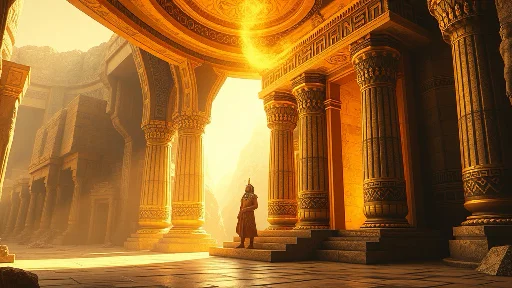
Ancient Egypt developed one of the world’s most sophisticated systems of dream interpretation, integrated deeply into religious, medical, and political life. The Egyptians believed dreams were messages from the gods, communications from the deceased, and diagnostic tools for illness. Dream interpretation was a priestly specialty requiring years of training.
Dream temples (serapeia) were among the most important religious institutions. The sick, troubled, or seeking guidance would undergo ritual purification, prayers, and offerings before sleeping in the temple’s sacred precinct. Priests trained in dream interpretation would analyze the resulting dreams, connecting them to divine messages and prescribed remedies.
The Chester Beatty Dream Book (c. 1275 BCE), now in the British Museum, is the oldest surviving dream dictionary. It catalogs 108 dreams organized by good and bad omens: seeing yourself in a mirror means a new wife; eating crocodile flesh means becoming an official. The systematic categorization reveals a mature analytical tradition.
Pharaohs relied heavily on dream counsel for state decisions. Thutmose IV’s Dream Stele records that the Sphinx appeared to him in a dream promising the throne if he cleared the sand from its body. Dreams justified military campaigns, temple construction, and succession decisions throughout Egyptian history.
The Egyptian legacy profoundly influenced Greek, Roman, and eventually Islamic dream traditions. The concept of dream incubation - sleeping in sacred spaces with focused intentions - traveled from Egypt through the Hellenistic world and remains a living practice in various forms today. Egypt’s contribution to dream science spans over three thousand years.