
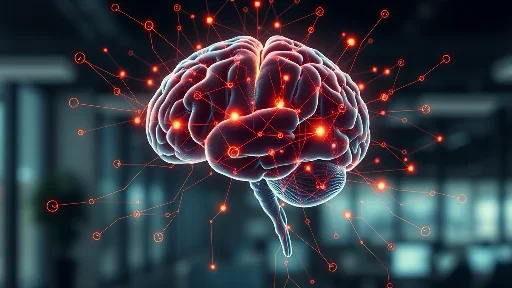
Direct Answer: Anxiety dreams are a form of 'threat simulation' where your brain practices handling stressful situations in a safe environment. They are not predictions of the future, but rather reflections of your current 'cognitive load' and unresolved stressors from your waking life.
Whether it’s showing up to an exam unprepared, being chased, or losing your teeth, anxiety dreams are among the most common and distressing experiences in human sleep. In the high-stress environment of 2024-2025, these dreams have seen a significant spike. However, understanding the psychological utility of anxiety can transform these 'nightmares' into valuable diagnostic tools for your mental health.
The Evolutionary View: The Threat Simulation Theory
Neuroscience suggests that anxiety dreams serve an evolutionary purpose called Threat Simulation Theory (TST). In the wild, our ancestors dreamed of predators to practice escape. Today, our 'predators' are social rejection, professional failure, and financial instability. Your brain uses REM sleep to 'rehearse' your response to these modern threats. By surviving the 'disaster' in your sleep, you are technically more prepared - emotionally and cognitively - to face it in reality.
The Jungian View: The Message of the Unconscious
Carl Jung viewed anxiety dreams as compensatory. If you are 'too successful' or ignoring your shadow in waking life, your dreams might present you as failing or exposed. The anxiety is the unconscious mind's way of restoring balance. For instance, 'teeth falling out' dreams often symbolize a loss of control or a fear of being 'powerless' (loss of the ability to 'bite' into life). The dream is asking you: Where in your life do you feel you have lost your voice or agency?
The Islamic View: Distinguishing the Source
In Islamic tradition, distressing dreams are often classified as hulm (from the ego or external stress) rather than ru'ya (divine visions). The Prophet Muhammad taught that if one sees a disturbing dream, they should seek refuge in God and not mention it to others, as it is often a reflection of the 'soul’s whispers' (hadith al-nafs) or external worries. This perspective offers a path to peace: recognizing that the anxiety is a temporary state of the mind, not a permanent spiritual truth.
How to Decipher Your Anxiety Triggers
To move from 'suffering' through these dreams to 'learning' from them, analyze the core theme:
- Falling/Losing Control: Are you overwhelmed with responsibilities?
- Public Embarrassment: Are you suffering from 'imposter syndrome' or fear of judgment?
- Being Chased: What part of your reality are you trying to avoid?
By identifying the real-world stressor, you 'complete' the simulation, and the brain often stops repeating the dream. dreamOut AI Dream Interpreter uses AI to cross-reference these common anxiety themes against your personal life context, helping you identify exactly what your subconscious is trying to 'rehearse.'
Frequently Asked Questions
Why do anxiety dreams feel so real?
During REM sleep, the amygdala (the brain's emotional center) is highly active while the prefrontal cortex (the rational center) is largely offline. This creates an environment where emotions are experienced at 100% intensity without the 'filter' of logic, making the threat feel absolute.
Can stress really cause physical symptoms in dreams?
Yes. The 'teeth falling out' or 'heavy chest' sensations are often the brain's way of interpreting actual physical tension (like jaw clenching or shallow breathing) while you sleep.
When should I worry about anxiety dreams?
If they become so frequent that they cause 'sleep avoidance' or significantly impact your mood during the day, it's time to look at stress management or consult a therapist. Most of the time, simply journaling the dream and acknowledging the stressor is enough to reduce their frequency.
Turn Your Stress Into Insight
Don't just survive your anxiety dreams. Analyze them with dreamOut AI Dream Interpreter's 19 interpretation ekols and find the root of your subconscious worry.
Download dreamOut AI Dream Interpreter →