
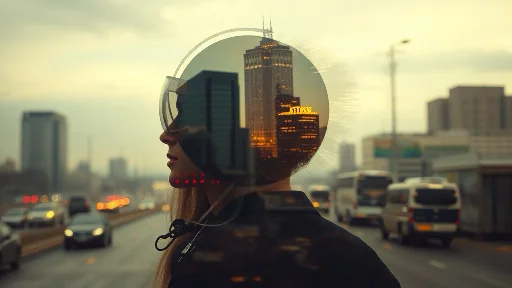
Déjà vu - the uncanny feeling that a current experience has been lived before - has been linked to dreaming since the phenomenon was first described. Many people who experience déjà vu attribute it to having dreamed the scene before it occurred. The French researcher Émile Boirac, who coined the term in 1876, was himself intrigued by this dream connection.
One neuroscientific explanation proposes that déjà vu results from a slight timing mismatch in memory encoding: the brain records an experience as a memory fractionally before conscious awareness processes it, creating the sensation of recognizing something that is actually being perceived for the first time.
The dream-related theory suggests that certain waking experiences may genuinely match dream scenes that were never consciously remembered. Since we forget the vast majority of our dreams, it is statistically plausible that some waking moments coincidentally resemble forgotten dream fragments, triggering a recognition signal without a retrievable source memory.
Research by cognitive psychologist Anne Cleary at Colorado State University has demonstrated that déjà vu can be triggered by spatial similarity: a new environment that shares the same spatial layout as a previously visited (or dreamed) place can produce the déjà vu sensation even when the person cannot consciously identify the similarity.
For those interested in the dream connection, keeping a detailed dream journal provides a way to test the hypothesis personally. Recording dreams in detail allows you to check whether déjà vu moments match any recorded dream content. Whether the connection proves real or illusory, the investigation itself deepens both dream awareness and mindful attention to waking experience.