
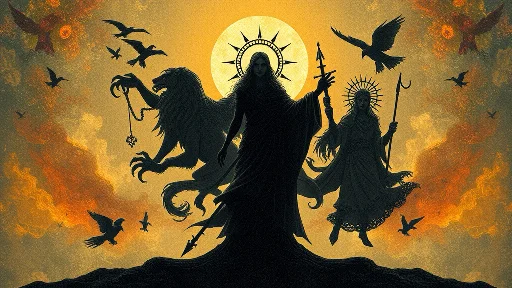
In Jung’s analytical psychology, archetypes are universal patterns encoded in the collective unconscious - a shared psychic inheritance beneath personal experience. They are not images themselves but organizing templates that generate characteristic imagery across individuals and cultures. The same archetypal figures appear in dreams from every continent without cultural transmission.
The Shadow represents everything rejected from the conscious personality - suppressed qualities, denied impulses, and unlived potential. In dreams it typically appears as a threatening same-gender figure. Crucially, the Shadow is not merely negative: it contains energy, creativity, and vitality that the ego sacrificed to maintain social acceptability.
The Anima (feminine soul in men) and Animus (masculine spirit in women) represent the contra-sexual dimension. The Anima appears as a fascinating female figure reflecting a man’s relationship to emotion and creativity. The Animus in women’s dreams represents qualities of assertion, clarity, and purposeful action.
The Self - the most central archetype - represents the totality of the psyche. It manifests as symbols of wholeness: circles, mandalas, divine figures, or numinous landscapes evoking awe. Dreams of the Self often mark decisive psychological turning points. The Wise Old Man or Woman appears as a mentor offering orientation at moments of crisis.
Active imagination - Jung’s technique of consciously engaging dream figures in meditative dialogue - transforms dreaming from passive experience to active psychological work. Writing in a dream figure’s voice, painting its image, or simply sitting with what it represents reveals extraordinary depth. These figures are aspects of our own deepest nature calling for integration.