
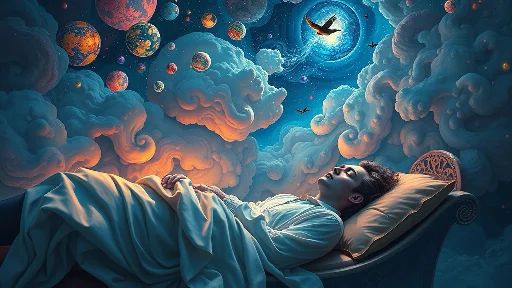
The relationship between dreaming and creativity is scientifically validated. Mendeleev saw the periodic table in a dream. Stevenson dreamed the plot of Dr. Jekyll and Mr. Hyde. McCartney heard Yesterday in a dream. Keith Richards recorded the Satisfaction riff at 3am from a dream. Kekulé dreamed the benzene ring structure.
Neuroscience explains why: during REM sleep, the prefrontal cortex reduces its inhibition of associative networks, allowing the brain to make connections that the rational waking mind would normally filter as irrelevant. This neurological loosening of associative filters enables pattern discovery and creative insight invisible to ordinary logic.
Studies at the University of Lübeck demonstrated this directly - subjects who slept between learning sessions were significantly more likely to discover hidden shortcuts requiring creative insight. Those who spent more time in REM showed the highest rates of breakthrough. The sleeping brain actively restructures problems rather than merely consolidating them.
The hypnagogic state between waking and sleep is historically one of the most productive creative states. Edison held steel balls that fell as he dozed, waking him in hypnagogia. Dali used an identical method with a key. Modern research confirms hypnagogic imagery significantly enhances creative association.
Cultivating dream creativity is a deliberate skill. Dream incubation - consciously directing intention toward a creative problem before sleep - increases the probability of relevant dream content. Writing the creative question, reviewing material, and setting sincere intention before bed transforms sleeping hours into an active creative collaboration with the unconscious.