
The human impulse to find meaning in dreams is as old as civilization. Sumerian clay tablets from 3100 BCE record kings’ dreams interpreted by specialist dream priests as divine communications. The Epic of Gilgamesh features elaborate dream sequences, demonstrating sophisticated dream interpretation more than five thousand years ago.
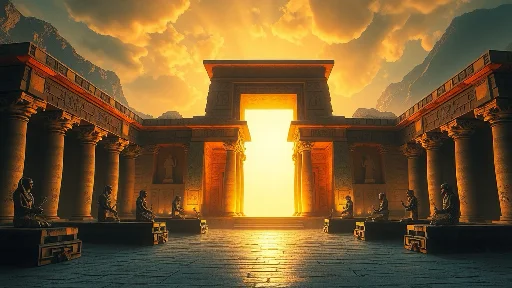
Ancient Egypt developed formalized systems with dream temples (serapeia) where worshippers slept in sacred precincts seeking divine guidance. The Chester Beatty Dream Book (1275 BCE) lists 108 dreams with meanings. Ancient Greece produced Aristotle’s empirical analyses and Artemidorus’s five-volume Oneirocritica, the definitive Western dream text for over a millennium.
Religious traditions placed dreams at the center of spiritual life. The Hebrew Bible features divine communication through dreams. Islamic dream science developed into a sophisticated discipline with Ibn Sirin’s canonical texts. Indigenous traditions worldwide built entire cosmologies around dream experience, from Aboriginal Dreamtime to Iroquois dream societies.
The scientific era began with Freud’s Interpretation of Dreams in 1900, proposing dreams as disguised wish fulfillments. Jung broke with Freud fundamentally, seeing dreams as direct honest communications using symbolic language. This split generated the major therapeutic schools that continue to shape dream interpretation today.
Today ancient traditions and neuroscience converge on shared insights. Emotional processing, symbolic imagery, and therapeutic dream engagement all find empirical support in the sleep laboratory. The dream, humanity’s most intimate universal experience, continues yielding secrets to those patient enough to attend to it.