
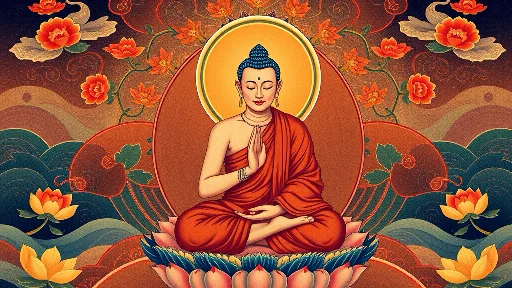
In Buddhist traditions, dreams are often regarded as more than mere nocturnal phantasms; they can be profound reflections of our mind's state, karmic imprints, and even prophetic insights. Ancient Buddhist texts, particularly within Tibetan Buddhism, discuss dreams extensively, recognizing their potential to reveal hidden aspects of our consciousness and guide us on the spiritual path. Unlike Western psychoanalysis, the Buddhist approach to dreams is less about dissecting individual symbols and more about understanding the overall quality of the mind and its journey towards enlightenment.
Buddhist teachings categorize dreams into several types. Some are considered 'habitual dreams,' arising from daily activities and subconscious patterns. Others are 'karmic dreams,' reflecting the ripening of past actions or future potentials. 'Prophetic dreams' may offer glimpses of future events or spiritual guidance. Most significantly, 'clear-light dreams' or 'luminosity dreams' are experienced by advanced practitioners during deep meditation, often leading to profound insights into the nature of reality and the illusory quality of existence. Not all dreams are deemed significant; discernment is key.
At its core, Buddhist dream interpretation views dreams as manifestations of our mental imprints (vasanas) and karmic seeds. Our desires, fears, attachments, and unresolved issues often surface in the dream state, offering an opportunity for self-reflection and purification. By observing these nocturnal narratives, practitioners can gain a deeper understanding of their own mind streams, identify obstacles to spiritual growth, and work towards cultivating positive mental states. Dreams serve as a mirror, showing us what needs attention in our waking lives.
A highly advanced practice within Tibetan Buddhism is 'Dream Yoga,' which utilizes the dream state for spiritual advancement. Practitioners learn to recognize they are dreaming (lucid dreaming) and then consciously engage with the dream environment. This practice aims to transform the dream state into a meditative experience, realizing the illusory nature of both dreams and waking reality. Through Dream Yoga, one can cultivate mindfulness, compassion, and wisdom, ultimately preparing the mind for the bardo (intermediate state between lives) and facilitating liberation.
Integrating Buddhist dream insights into daily life fosters greater mindfulness and self-awareness. By paying attention to our dreams, we can better understand our emotional landscape, identify recurring patterns, and address underlying issues that hinder our spiritual progress. This continuous self-examination, guided by the wisdom of dreams, supports the cultivation of compassion, reduces suffering, and accelerates the journey towards awakening. Dreams, therefore, become a powerful tool for self-discovery and a testament to the mind's profound capabilities.