
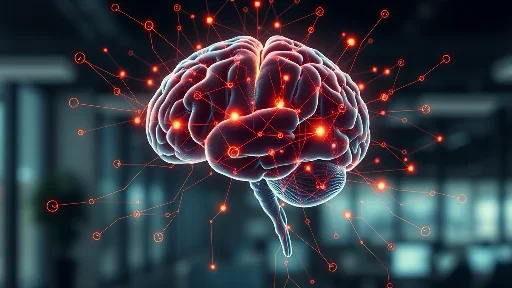
Cognitive Dream Interpretation views dreams not as mystical symbols or repressed desires, but as an extension of our waking cognitive processes. It suggests that dreams are the brain's way of continuing to process information, consolidate memories, and solve problems from our daily lives. Unlike psychoanalytic approaches, it emphasizes the direct relationship between dream content and recent experiences, thoughts, and emotions.
The core principle is that dreams reflect and work through our current concerns. During sleep, the brain actively organizes new information, strengthens neural connections, and integrates experiences into existing knowledge structures. This can manifest as simulations of social interactions, rehearsals of skills, or attempts to resolve emotional conflicts, often without the logical constraints of wakefulness, leading to seemingly bizarre scenarios that still hold cognitive relevance.
While early thinkers like Aristotle speculated on dreams reflecting bodily states, modern cognitive dream theory gained prominence with the rise of cognitive psychology. Pioneers like Allan Hobson and Robert McCarley's Activation-Synthesis Hypothesis (though primarily physiological) paved the way for more cognitively focused theories, suggesting dreams are the brain making sense of random neural activity, often drawing on stored memories and recent experiences to construct narratives. Later theories focused more on dreams as problem-solving or emotional regulation mechanisms.
Interpreting dreams through a cognitive lens involves examining the direct connections between dream elements and waking life. Instead of searching for universal symbols, one looks for personal associations, recent events, and recurring thoughts or feelings. Techniques include dream journaling, identifying patterns, and reflecting on how dream scenarios relate to current challenges, worries, or aspirations. The focus is on 'what does this mean *to me*?' based on my recent experiences.
By applying cognitive dream interpretation, individuals can gain deeper insights into their own thought patterns, emotional states, and unconscious problem-solving efforts. It empowers self-understanding, helps process unresolved issues, and can even inspire creative solutions to waking challenges. This approach demystifies dreams, transforming them into valuable tools for personal growth and mental well-being, rather than enigmatic puzzles.