
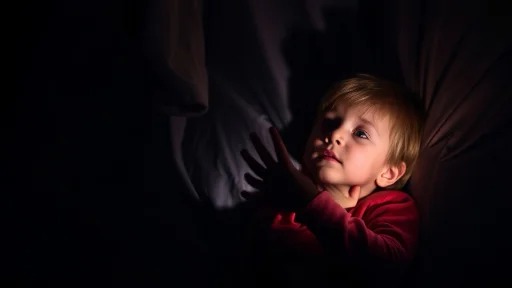
Night terrors (sleep terrors) and nightmares are frequently confused but are fundamentally different phenomena occurring in different sleep stages with different characteristics. Night terrors arise from deep slow-wave sleep (N3), typically in the first third of the night. Nightmares occur during REM sleep, usually in the second half. Understanding the difference is essential for appropriate response.
Night terror episodes involve sudden arousal with screaming, intense fear, rapid heartbeat, and often thrashing or sitting upright - but the person is not truly awake and usually has no memory of the episode. Nightmare sufferers awaken fully and can describe the dream in vivid detail. Night terrors involve no dream narrative; nightmares are essentially disturbing dream stories.
Night terrors are most common in children aged 3-12, affecting approximately 6% of children. Most outgrow them by adolescence as the nervous system matures. In adults, night terrors may indicate sleep deprivation, extreme stress, certain medications, or sleep disorders. They tend to run in families with a strong genetic component.
The appropriate response to a child’s night terror is counterintuitive: do not try to wake them. Attempting to rouse a child during a night terror typically increases confusion and prolongs the episode. Instead, ensure safety, speak calmly, and wait for the episode to pass naturally, usually within 5-15 minutes.
Treatment for persistent night terrors focuses on addressing triggers: maintaining consistent sleep schedules, ensuring adequate sleep duration, reducing stress, and in some cases scheduled awakening - briefly rousing the child 15-30 minutes before the typical terror time to disrupt the sleep cycle pattern. Medication is rarely necessary and reserved for severe cases.