
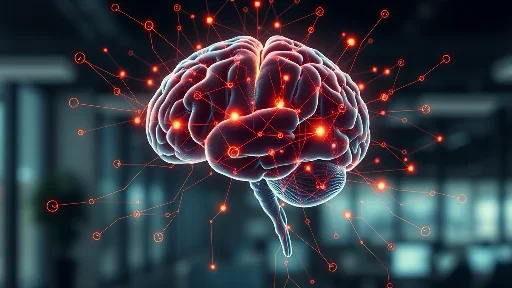
Direct Answer: Orthosomnia is a medical condition where the obsessive pursuit of 'perfect' sleep data from wearable trackers paradoxically causes anxiety that ruins sleep quality. In 2026, as 'sleepmaxxing' becomes a global trend, this preoccupation with metrics is manifesting in nightmares of technical failure and a feeling of being 'monitored' even in our deepest dreams.
By 2026, the quantified self movement has reached its zenith. We track our steps, our calories, and most obsessively, our sleep. But a growing body of research, including the foundational work of Dr. Kelly Baron at the University of Utah, suggests that for many, the very device intended to help us rest is becoming a source of nighttime dread. This phenomenon, known as Orthosomnia, represents the dark side of our modern quest for optimization.
The Rise of 'Sleepmaxxing' and the Data Paradox
The term 'Sleepmaxxing' - the practice of using a complex array of supplements, temperature-controlled beds, and high-precision trackers to maximize REM and Deep Sleep - has dominated wellness circles this year. However, when we treat sleep as a performance to be graded, our brain enters a state of hyper-arousal. Instead of drifting into natural rest, we are unconsciously checking our internal 'scorecard' throughout the night.
Scientific Perspective: The Cortisol Feedback Loop
From a neurological standpoint, Orthosomnia creates a self-fulfilling prophecy. When a user wakes up and sees a 'red' score on their tracker, the brain triggers a cortisol spike associated with failure. This morning stress lingers, increasing baseline anxiety and making it even harder to reach deep sleep the following night. Science suggests that orthosomnia converts a physiological process into a psychological burden, effectively training the brain to view sleep as a high-stakes test.
Psychological Perspective: The Perfectionist's Trap
Psychologically, this condition is rooted in the 'Good Student' syndrome. Perfectionists are particularly susceptible to the allure of sleep data. When the data doesn't match how they feel, they tend to trust the device over their own body. This disconnect between perceived rest and objective data creates a state of cognitive dissonance, leading to chronic worry and 'pre-sleep' anxiety that prevents the transition into the dream state.
Jungian Perspective: The Machine Archetype
In the framework of Carl Jung, the sleep tracker can be seen as an externalization of the 'Super-Ego' or a manifestation of the 'Machine Archetype'. In 2026, dream reports frequently include themes of being trapped in digital grids, broken circuits, or being judged by an invisible computer. Our subconscious is reacting to the loss of natural, untracked space. The tracker has become a 'technological shadow' that follows us into the unconscious, demanding order where there should be chaos.
Practical Perspective: The Analog Sunset Protocol
The solution to Orthosomnia isn't necessarily throwing away the tracker, but changing our relationship with it. Experts now recommend the 'Analog Sunset' protocol: removing all digital tracking interfaces 90 minutes before bed and, most importantly, not checking the score until at least one hour after waking. This allows the intuitive sleep cycle to re-establish itself without the immediate pressure of a digital grade.
The Future of Rest in a Tracked World
As we move deeper into the decade, the challenge will be to balance our love for data with our need for mystery. Sleep is one of the few remaining frontiers of the human experience that shouldn't be fully quantified. Understanding your dreams isn't about scoring a 99% - it's about listening to the stories your subconscious is trying to tell you, regardless of what the sensor says.
Can a sleep tracker cause nightmares?
Yes. The anxiety of being monitored can manifest as 'performance dreams' or technical nightmares where you are trapped inside a malfunctioning device.
How do I know if I have orthosomnia?
If you feel more stressed about your sleep score than your actual sleep, or if you trust the device's data over your own feeling of being rested, you may be experiencing orthosomnia.
Is sleepmaxxing dangerous?
While optimization isn't inherently dangerous, the obsession with perfect metrics can lead to chronic insomnia and anxiety disorders.
What is the 'Analog Sunset' method?
It involves a 90-minute digital-free period before sleep and delaying the review of sleep data until well after you have started your day, allowing your body to determine how it feels first.
Ready to Understand Your Subconscious?
dreamOut AI Dream Interpreter analyzes your dreams through 19 different interpretation traditions, focusing on meaning rather than just metrics.
Download dreamOut AI Dream Interpreter →