
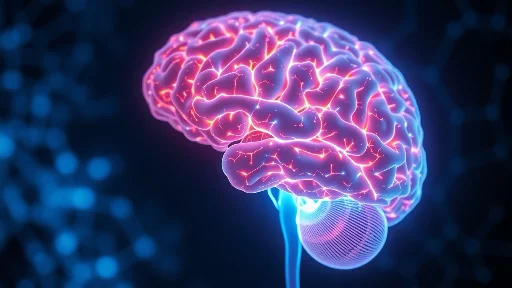
Sleep is an extraordinarily active biological process where the brain performs its most essential maintenance: consolidating memories, flushing metabolic waste via the glymphatic system, regulating hormones, and preparing neural architecture for the demands of waking. Humans spend roughly one-third of their lives asleep - far from wasted time.
Sleep architecture consists of a cyclical pattern repeating every 90 minutes. Stages 1-2 are light sleep with sleep spindles for memory consolidation. Stage 3 (slow-wave sleep) is physically restorative with delta waves and growth hormone release. REM sleep brings vivid dreaming, emotional processing, and brain activity resembling wakefulness.
REM sleep is paradoxical: the brain shows near-waking activity while the body undergoes atonia - temporary muscle paralysis preventing acting out dreams. The first REM period lasts only 10-20 minutes, but later cycles extend to 60-90 minutes, explaining why the most vivid dreams occur in early morning hours.
Sleep deprivation research shows dramatic consequences. After just 17 hours without sleep, cognitive impairment equals legal intoxication. Chronic restriction increases risk for cardiovascular disease, metabolic syndrome, and immune dysfunction. During deep sleep, the glymphatic system is 60% more active, flushing proteins associated with Alzheimer’s disease.
Circadian rhythm governs sleep-wake cycles through light exposure. Specialized retinal cells signal the hypothalamus to orchestrate melatonin release from the pineal gland. Modern screen exposure before bed suppresses melatonin and delays circadian phase, contributing to widespread sleep insufficiency. Understanding sleep science is the foundation of honoring this critical process.