
Throughout history and across all spiritual traditions, certain dreams have been recognized as markers of genuine spiritual awakening - transformative experiences that permanently alter the dreamer’s relationship to consciousness, meaning, and reality. These dreams differ qualitatively from ordinary dreams in their intensity, clarity, and lasting impact on the dreamer’s life.
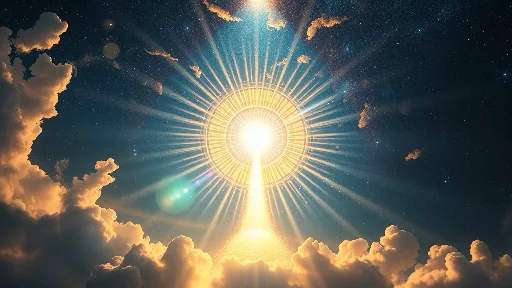
Common themes in spiritual awakening dreams include encounters with luminous beings or divine figures, experiences of boundless light or cosmic unity, death and rebirth sequences, receiving sacred knowledge or teachings, and the sensation of the self dissolving into infinite awareness. These dreams often carry a numinous quality - a sense of overwhelming significance that transcends rational analysis.
In Hindu tradition, dreams of deities, temples, or sacred rivers signal spiritual advancement along the path of dharma. In Islamic tradition, true dreams (ru’ya sadiqah) are considered a remnant of prophecy. Buddhist dream yoga identifies specific dream signs - clear light, dissolution of form, encounters with enlightened beings - as markers of progress on the path to awakening.
Carl Jung described numinous dreams as encounters with the Self archetype - the organizing center of the total psyche that transcends the ego. These dreams typically produce a lasting sense of meaning, purpose, and orientation that persists long after the dream itself. They often occur at critical life junctures and mark genuine psychological transformation.
Whether understood through religious, psychological, or transpersonal frameworks, spiritual awakening dreams share common features: they are unsought, overwhelming, and transformative. They cannot be induced by technique alone but seem to arise when the psyche is ready for a deeper encounter with reality. They remind us that the dream world contains depths far beyond the personal unconscious - territories of meaning and mystery that humanity has always recognized as sacred.