
Direct Answer: Recurring nightmares are deeply linked to daytime anxiety and unresolved stress. The brain uses these repetitive dreams as an attempt to process difficult emotions, but gets "stuck" in a loop. Breaking the cycle requires daytime emotional regulation and techniques like Imagery Rehearsal Therapy (IRT).
Waking up in a cold sweat from the exact same terrifying dream is a uniquely distressing experience. Whether you are running from an unseen pursuer, failing an exam you never studied for, or losing your teeth, recurring nightmares are more than just bad dreams - they are an urgent message from your nervous system.
The Neuroscience of the Loop
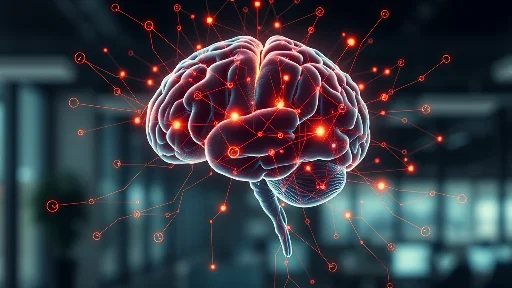
During REM sleep, your brain is actively consolidating memories and processing emotional experiences. In a healthy sleep cycle, the brain "digests" daytime stressors. However, when anxiety levels are too high, the amygdala (the brain's fear center) remains hyperactive.
Instead of processing the emotion and moving on, the brain gets overwhelmed by the fear signal, causing you to wake up. Because the emotional processing was interrupted, the brain tries again the next night, creating a continuous loop of recurring nightmares.
Common Themes and Their Meanings
Being Chased
Often represents avoidance. There is a stressor, responsibility, or emotion in your waking life that you are running away from instead of confronting.
Teeth Falling Out
Deeply connected to anxiety about appearance, communication, or a feeling of losing control over your life and personal power.
Unprepared for a Test
A classic manifestation of performance anxiety, fear of judgment, or imposter syndrome, even if you graduated years ago.
Science-Backed Solutions to Break the Cycle
- Imagery Rehearsal Therapy (IRT): While awake, write down the nightmare. Then, rewrite the ending so it is positive or neutral. Visualize this new ending for 10 minutes a day to "reprogram" the dream.
- Lucid Dreaming: Training yourself to realize you are dreaming allows you to confront the threat in the nightmare or wake yourself up safely.
- Stress Reduction: Since daytime anxiety fuels the loop, practices like meditation, deep breathing, and journaling before bed are critical.
Analyze Your Recurring Nightmares
Don't ignore repetitive dreams. Let dreamOut AI Dream Interpreter's 19-school AI analysis decode the underlying anxieties driving your nightmares, and get actionable insights to break the cycle.
Download dreamOut AI Dream Interpreter →Doğrudan Yanıt: Tekrarlayan kabuslar are deeply linked to daytime anxiety and unresolved stress. The brain uses these repetitive dreams as an attempt to process difficult emotions, but gets "stuck" in a loop. Breaking the cycle requires daytime emotional regulation and techniques like Imagery Rehearsal Therapy (IRT).
Waking up in a cold sweat from the exact same terrifying dream is a uniquely distressing experience. Whether you are running from an unseen pursuer, failing an exam you never studied for, or losing your teeth, recurring nightmares are more than just bad dreams - they are an urgent message from your nervous system.
The Neuroscience of the Loop
During REM sleep, your brain is actively consolidating memories and processing emotional experiences. In a healthy sleep cycle, the brain "digests" daytime stressors. However, when anxiety levels are too high, the amygdala (the brain's fear center) remains hyperactive.
Instead of processing the emotion and moving on, the brain gets overwhelmed by the fear signal, causing you to wake up. Because the emotional processing was interrupted, the brain tries again the next night, creating a continuous loop of recurring nightmares.
Common Themes and Their Meanings
Being Chased
Often represents avoidance. There is a stressor, responsibility, or emotion in your waking life that you are running away from instead of confronting.
Teeth Falling Out
Deeply connected to anxiety about appearance, communication, or a feeling of losing control over your life and personal power.
Unprepared for a Test
A classic manifestation of performance anxiety, fear of judgment, or imposter syndrome, even if you graduated years ago.
Bilim Destekli Çözümler to Break the Cycle
- Imagery Rehearsal Therapy (IRT): While awake, write down the nightmare. Then, rewrite the ending so it is positive or neutral. Visualize this new ending for 10 minutes a day to "reprogram" the dream.
- Lucid Dreaming: Training yourself to realize you are dreaming allows you to confront the threat in the nightmare or wake yourself up safely.
- Stress Reduction: Since daytime anxiety fuels the loop, practices like meditation, deep breathing, and journaling before bed are critical.
Tekrarlayan Kabuslarınızı Analiz Edin
Don't ignore repetitive dreams. Let dreamOut AI Dream Interpreter's 19-school AI analysis decode the underlying anxieties driving your nightmares, and get actionable insights to break the cycle.
Download dreamOut AI Dream Interpreter →Respuesta Directa: Las pesadillas recurrentes are deeply linked to daytime anxiety and unresolved stress. The brain uses these repetitive dreams as an attempt to process difficult emotions, but gets "stuck" in a loop. Breaking the cycle requires daytime emotional regulation and techniques like Imagery Rehearsal Therapy (IRT).
Waking up in a cold sweat from the exact same terrifying dream is a uniquely distressing experience. Whether you are running from an unseen pursuer, failing an exam you never studied for, or losing your teeth, recurring nightmares are more than just bad dreams - they are an urgent message from your nervous system.
The Neuroscience of the Loop
During REM sleep, your brain is actively consolidating memories and processing emotional experiences. In a healthy sleep cycle, the brain "digests" daytime stressors. However, when anxiety levels are too high, the amygdala (the brain's fear center) remains hyperactive.
Instead of processing the emotion and moving on, the brain gets overwhelmed by the fear signal, causing you to wake up. Because the emotional processing was interrupted, the brain tries again the next night, creating a continuous loop of recurring nightmares.
Common Themes and Their Meanings
Being Chased
Often represents avoidance. There is a stressor, responsibility, or emotion in your waking life that you are running away from instead of confronting.
Teeth Falling Out
Deeply connected to anxiety about appearance, communication, or a feeling of losing control over your life and personal power.
Unprepared for a Test
A classic manifestation of performance anxiety, fear of judgment, or imposter syndrome, even if you graduated years ago.
Soluciones Basadas en la Ciencia to Break the Cycle
- Imagery Rehearsal Therapy (IRT): While awake, write down the nightmare. Then, rewrite the ending so it is positive or neutral. Visualize this new ending for 10 minutes a day to "reprogram" the dream.
- Lucid Dreaming: Training yourself to realize you are dreaming allows you to confront the threat in the nightmare or wake yourself up safely.
- Stress Reduction: Since daytime anxiety fuels the loop, practices like meditation, deep breathing, and journaling before bed are critical.
Analiza Tus Pesadillas Recurrentes
Don't ignore repetitive dreams. Let dreamOut AI Dream Interpreter's 19-school AI analysis decode the underlying anxieties driving your nightmares, and get actionable insights to break the cycle.
Download dreamOut AI Dream Interpreter →Réponse Directe: Les cauchemars récurrents are deeply linked to daytime anxiety and unresolved stress. The brain uses these repetitive dreams as an attempt to process difficult emotions, but gets "stuck" in a loop. Breaking the cycle requires daytime emotional regulation and techniques like Imagery Rehearsal Therapy (IRT).
Waking up in a cold sweat from the exact same terrifying dream is a uniquely distressing experience. Whether you are running from an unseen pursuer, failing an exam you never studied for, or losing your teeth, recurring nightmares are more than just bad dreams - they are an urgent message from your nervous system.
The Neuroscience of the Loop
During REM sleep, your brain is actively consolidating memories and processing emotional experiences. In a healthy sleep cycle, the brain "digests" daytime stressors. However, when anxiety levels are too high, the amygdala (the brain's fear center) remains hyperactive.
Instead of processing the emotion and moving on, the brain gets overwhelmed by the fear signal, causing you to wake up. Because the emotional processing was interrupted, the brain tries again the next night, creating a continuous loop of recurring nightmares.
Common Themes and Their Meanings
Being Chased
Often represents avoidance. There is a stressor, responsibility, or emotion in your waking life that you are running away from instead of confronting.
Teeth Falling Out
Deeply connected to anxiety about appearance, communication, or a feeling of losing control over your life and personal power.
Unprepared for a Test
A classic manifestation of performance anxiety, fear of judgment, or imposter syndrome, even if you graduated years ago.
Solutions Scientifiques to Break the Cycle
- Imagery Rehearsal Therapy (IRT): While awake, write down the nightmare. Then, rewrite the ending so it is positive or neutral. Visualize this new ending for 10 minutes a day to "reprogram" the dream.
- Lucid Dreaming: Training yourself to realize you are dreaming allows you to confront the threat in the nightmare or wake yourself up safely.
- Stress Reduction: Since daytime anxiety fuels the loop, practices like meditation, deep breathing, and journaling before bed are critical.
Analysez Vos Cauchemars Récurrents
Don't ignore repetitive dreams. Let dreamOut AI Dream Interpreter's 19-school AI analysis decode the underlying anxieties driving your nightmares, and get actionable insights to break the cycle.
Download dreamOut AI Dream Interpreter →Direkte Antwort: Wiederkehrende Albträume are deeply linked to daytime anxiety and unresolved stress. The brain uses these repetitive dreams as an attempt to process difficult emotions, but gets "stuck" in a loop. Breaking the cycle requires daytime emotional regulation and techniques like Imagery Rehearsal Therapy (IRT).
Waking up in a cold sweat from the exact same terrifying dream is a uniquely distressing experience. Whether you are running from an unseen pursuer, failing an exam you never studied for, or losing your teeth, recurring nightmares are more than just bad dreams - they are an urgent message from your nervous system.
The Neuroscience of the Loop
During REM sleep, your brain is actively consolidating memories and processing emotional experiences. In a healthy sleep cycle, the brain "digests" daytime stressors. However, when anxiety levels are too high, the amygdala (the brain's fear center) remains hyperactive.
Instead of processing the emotion and moving on, the brain gets overwhelmed by the fear signal, causing you to wake up. Because the emotional processing was interrupted, the brain tries again the next night, creating a continuous loop of recurring nightmares.
Common Themes and Their Meanings
Being Chased
Often represents avoidance. There is a stressor, responsibility, or emotion in your waking life that you are running away from instead of confronting.
Teeth Falling Out
Deeply connected to anxiety about appearance, communication, or a feeling of losing control over your life and personal power.
Unprepared for a Test
A classic manifestation of performance anxiety, fear of judgment, or imposter syndrome, even if you graduated years ago.
Wissenschaftliche Lösungen to Break the Cycle
- Imagery Rehearsal Therapy (IRT): While awake, write down the nightmare. Then, rewrite the ending so it is positive or neutral. Visualize this new ending for 10 minutes a day to "reprogram" the dream.
- Lucid Dreaming: Training yourself to realize you are dreaming allows you to confront the threat in the nightmare or wake yourself up safely.
- Stress Reduction: Since daytime anxiety fuels the loop, practices like meditation, deep breathing, and journaling before bed are critical.
Analysieren Sie Ihre Albträume
Don't ignore repetitive dreams. Let dreamOut AI Dream Interpreter's 19-school AI analysis decode the underlying anxieties driving your nightmares, and get actionable insights to break the cycle.
Download dreamOut AI Dream Interpreter →Risposta Diretta: Gli incubi ricorrenti are deeply linked to daytime anxiety and unresolved stress. The brain uses these repetitive dreams as an attempt to process difficult emotions, but gets "stuck" in a loop. Breaking the cycle requires daytime emotional regulation and techniques like Imagery Rehearsal Therapy (IRT).
Waking up in a cold sweat from the exact same terrifying dream is a uniquely distressing experience. Whether you are running from an unseen pursuer, failing an exam you never studied for, or losing your teeth, recurring nightmares are more than just bad dreams - they are an urgent message from your nervous system.
The Neuroscience of the Loop
During REM sleep, your brain is actively consolidating memories and processing emotional experiences. In a healthy sleep cycle, the brain "digests" daytime stressors. However, when anxiety levels are too high, the amygdala (the brain's fear center) remains hyperactive.
Instead of processing the emotion and moving on, the brain gets overwhelmed by the fear signal, causing you to wake up. Because the emotional processing was interrupted, the brain tries again the next night, creating a continuous loop of recurring nightmares.
Common Themes and Their Meanings
Being Chased
Often represents avoidance. There is a stressor, responsibility, or emotion in your waking life that you are running away from instead of confronting.
Teeth Falling Out
Deeply connected to anxiety about appearance, communication, or a feeling of losing control over your life and personal power.
Unprepared for a Test
A classic manifestation of performance anxiety, fear of judgment, or imposter syndrome, even if you graduated years ago.
Soluzioni Scientifiche to Break the Cycle
- Imagery Rehearsal Therapy (IRT): While awake, write down the nightmare. Then, rewrite the ending so it is positive or neutral. Visualize this new ending for 10 minutes a day to "reprogram" the dream.
- Lucid Dreaming: Training yourself to realize you are dreaming allows you to confront the threat in the nightmare or wake yourself up safely.
- Stress Reduction: Since daytime anxiety fuels the loop, practices like meditation, deep breathing, and journaling before bed are critical.
Analizza I Tuoi Incubi Ricorrenti
Don't ignore repetitive dreams. Let dreamOut AI Dream Interpreter's 19-school AI analysis decode the underlying anxieties driving your nightmares, and get actionable insights to break the cycle.
Download dreamOut AI Dream Interpreter →Resposta Direta: Pesadelos recorrentes are deeply linked to daytime anxiety and unresolved stress. The brain uses these repetitive dreams as an attempt to process difficult emotions, but gets "stuck" in a loop. Breaking the cycle requires daytime emotional regulation and techniques like Imagery Rehearsal Therapy (IRT).
Waking up in a cold sweat from the exact same terrifying dream is a uniquely distressing experience. Whether you are running from an unseen pursuer, failing an exam you never studied for, or losing your teeth, recurring nightmares are more than just bad dreams - they are an urgent message from your nervous system.
The Neuroscience of the Loop
During REM sleep, your brain is actively consolidating memories and processing emotional experiences. In a healthy sleep cycle, the brain "digests" daytime stressors. However, when anxiety levels are too high, the amygdala (the brain's fear center) remains hyperactive.
Instead of processing the emotion and moving on, the brain gets overwhelmed by the fear signal, causing you to wake up. Because the emotional processing was interrupted, the brain tries again the next night, creating a continuous loop of recurring nightmares.
Common Themes and Their Meanings
Being Chased
Often represents avoidance. There is a stressor, responsibility, or emotion in your waking life that you are running away from instead of confronting.
Teeth Falling Out
Deeply connected to anxiety about appearance, communication, or a feeling of losing control over your life and personal power.
Unprepared for a Test
A classic manifestation of performance anxiety, fear of judgment, or imposter syndrome, even if you graduated years ago.
Soluções Científicas to Break the Cycle
- Imagery Rehearsal Therapy (IRT): While awake, write down the nightmare. Then, rewrite the ending so it is positive or neutral. Visualize this new ending for 10 minutes a day to "reprogram" the dream.
- Lucid Dreaming: Training yourself to realize you are dreaming allows you to confront the threat in the nightmare or wake yourself up safely.
- Stress Reduction: Since daytime anxiety fuels the loop, practices like meditation, deep breathing, and journaling before bed are critical.
Analise Seus Pesadelos Recorrentes
Don't ignore repetitive dreams. Let dreamOut AI Dream Interpreter's 19-school AI analysis decode the underlying anxieties driving your nightmares, and get actionable insights to break the cycle.
Download dreamOut AI Dream Interpreter →Прямой ответ: Повторяющиеся кошмары are deeply linked to daytime anxiety and unresolved stress. The brain uses these repetitive dreams as an attempt to process difficult emotions, but gets "stuck" in a loop. Breaking the cycle requires daytime emotional regulation and techniques like Imagery Rehearsal Therapy (IRT).
Waking up in a cold sweat from the exact same terrifying dream is a uniquely distressing experience. Whether you are running from an unseen pursuer, failing an exam you never studied for, or losing your teeth, recurring nightmares are more than just bad dreams - they are an urgent message from your nervous system.
The Neuroscience of the Loop
During REM sleep, your brain is actively consolidating memories and processing emotional experiences. In a healthy sleep cycle, the brain "digests" daytime stressors. However, when anxiety levels are too high, the amygdala (the brain's fear center) remains hyperactive.
Instead of processing the emotion and moving on, the brain gets overwhelmed by the fear signal, causing you to wake up. Because the emotional processing was interrupted, the brain tries again the next night, creating a continuous loop of recurring nightmares.
Common Themes and Their Meanings
Being Chased
Often represents avoidance. There is a stressor, responsibility, or emotion in your waking life that you are running away from instead of confronting.
Teeth Falling Out
Deeply connected to anxiety about appearance, communication, or a feeling of losing control over your life and personal power.
Unprepared for a Test
A classic manifestation of performance anxiety, fear of judgment, or imposter syndrome, even if you graduated years ago.
Научные Решения to Break the Cycle
- Imagery Rehearsal Therapy (IRT): While awake, write down the nightmare. Then, rewrite the ending so it is positive or neutral. Visualize this new ending for 10 minutes a day to "reprogram" the dream.
- Lucid Dreaming: Training yourself to realize you are dreaming allows you to confront the threat in the nightmare or wake yourself up safely.
- Stress Reduction: Since daytime anxiety fuels the loop, practices like meditation, deep breathing, and journaling before bed are critical.
Проанализируйте Свои Кошмары
Don't ignore repetitive dreams. Let dreamOut AI Dream Interpreter's 19-school AI analysis decode the underlying anxieties driving your nightmares, and get actionable insights to break the cycle.
Download dreamOut AI Dream Interpreter →الإجابة المباشرة: الكوابيس المتكررة are deeply linked to daytime anxiety and unresolved stress. The brain uses these repetitive dreams as an attempt to process difficult emotions, but gets "stuck" in a loop. Breaking the cycle requires daytime emotional regulation and techniques like Imagery Rehearsal Therapy (IRT).
Waking up in a cold sweat from the exact same terrifying dream is a uniquely distressing experience. Whether you are running from an unseen pursuer, failing an exam you never studied for, or losing your teeth, recurring nightmares are more than just bad dreams - they are an urgent message from your nervous system.
The Neuroscience of the Loop
During REM sleep, your brain is actively consolidating memories and processing emotional experiences. In a healthy sleep cycle, the brain "digests" daytime stressors. However, when anxiety levels are too high, the amygdala (the brain's fear center) remains hyperactive.
Instead of processing the emotion and moving on, the brain gets overwhelmed by the fear signal, causing you to wake up. Because the emotional processing was interrupted, the brain tries again the next night, creating a continuous loop of recurring nightmares.
Common Themes and Their Meanings
Being Chased
Often represents avoidance. There is a stressor, responsibility, or emotion in your waking life that you are running away from instead of confronting.
Teeth Falling Out
Deeply connected to anxiety about appearance, communication, or a feeling of losing control over your life and personal power.
Unprepared for a Test
A classic manifestation of performance anxiety, fear of judgment, or imposter syndrome, even if you graduated years ago.
حلول مدعومة علمياً to Break the Cycle
- Imagery Rehearsal Therapy (IRT): While awake, write down the nightmare. Then, rewrite the ending so it is positive or neutral. Visualize this new ending for 10 minutes a day to "reprogram" the dream.
- Lucid Dreaming: Training yourself to realize you are dreaming allows you to confront the threat in the nightmare or wake yourself up safely.
- Stress Reduction: Since daytime anxiety fuels the loop, practices like meditation, deep breathing, and journaling before bed are critical.
قم بتحليل كوابيسك المتكررة
Don't ignore repetitive dreams. Let dreamOut AI Dream Interpreter's 19-school AI analysis decode the underlying anxieties driving your nightmares, and get actionable insights to break the cycle.
Download dreamOut AI Dream Interpreter →直接回答: 反复出现的噩梦 are deeply linked to daytime anxiety and unresolved stress. The brain uses these repetitive dreams as an attempt to process difficult emotions, but gets "stuck" in a loop. Breaking the cycle requires daytime emotional regulation and techniques like Imagery Rehearsal Therapy (IRT).
Waking up in a cold sweat from the exact same terrifying dream is a uniquely distressing experience. Whether you are running from an unseen pursuer, failing an exam you never studied for, or losing your teeth, recurring nightmares are more than just bad dreams - they are an urgent message from your nervous system.
The Neuroscience of the Loop
During REM sleep, your brain is actively consolidating memories and processing emotional experiences. In a healthy sleep cycle, the brain "digests" daytime stressors. However, when anxiety levels are too high, the amygdala (the brain's fear center) remains hyperactive.
Instead of processing the emotion and moving on, the brain gets overwhelmed by the fear signal, causing you to wake up. Because the emotional processing was interrupted, the brain tries again the next night, creating a continuous loop of recurring nightmares.
Common Themes and Their Meanings
Being Chased
Often represents avoidance. There is a stressor, responsibility, or emotion in your waking life that you are running away from instead of confronting.
Teeth Falling Out
Deeply connected to anxiety about appearance, communication, or a feeling of losing control over your life and personal power.
Unprepared for a Test
A classic manifestation of performance anxiety, fear of judgment, or imposter syndrome, even if you graduated years ago.
科学的解决方案 to Break the Cycle
- Imagery Rehearsal Therapy (IRT): While awake, write down the nightmare. Then, rewrite the ending so it is positive or neutral. Visualize this new ending for 10 minutes a day to "reprogram" the dream.
- Lucid Dreaming: Training yourself to realize you are dreaming allows you to confront the threat in the nightmare or wake yourself up safely.
- Stress Reduction: Since daytime anxiety fuels the loop, practices like meditation, deep breathing, and journaling before bed are critical.
分析你的反复噩梦
Don't ignore repetitive dreams. Let dreamOut AI Dream Interpreter's 19-school AI analysis decode the underlying anxieties driving your nightmares, and get actionable insights to break the cycle.
Download dreamOut AI Dream Interpreter →